

TL;DR
- Customers get prospecting emails when a second record for them isn't marked as a customer.
- Nurture lists exclude customers by a field, and the second record has that field empty.
- Second records often come from forms, events and new email addresses.
- Merging with the most advanced lifecycle stage winning keeps customers off nurture lists.
- Dedupely finds customers' duplicate records and merges them with the customer's stage and owner kept.
Paying customers get prospecting emails because they also exist as a second record that isn't marked as a customer. Your lists exclude customers by a field, and that field is empty on the second record. So it gets the nurture emails meant for new leads.
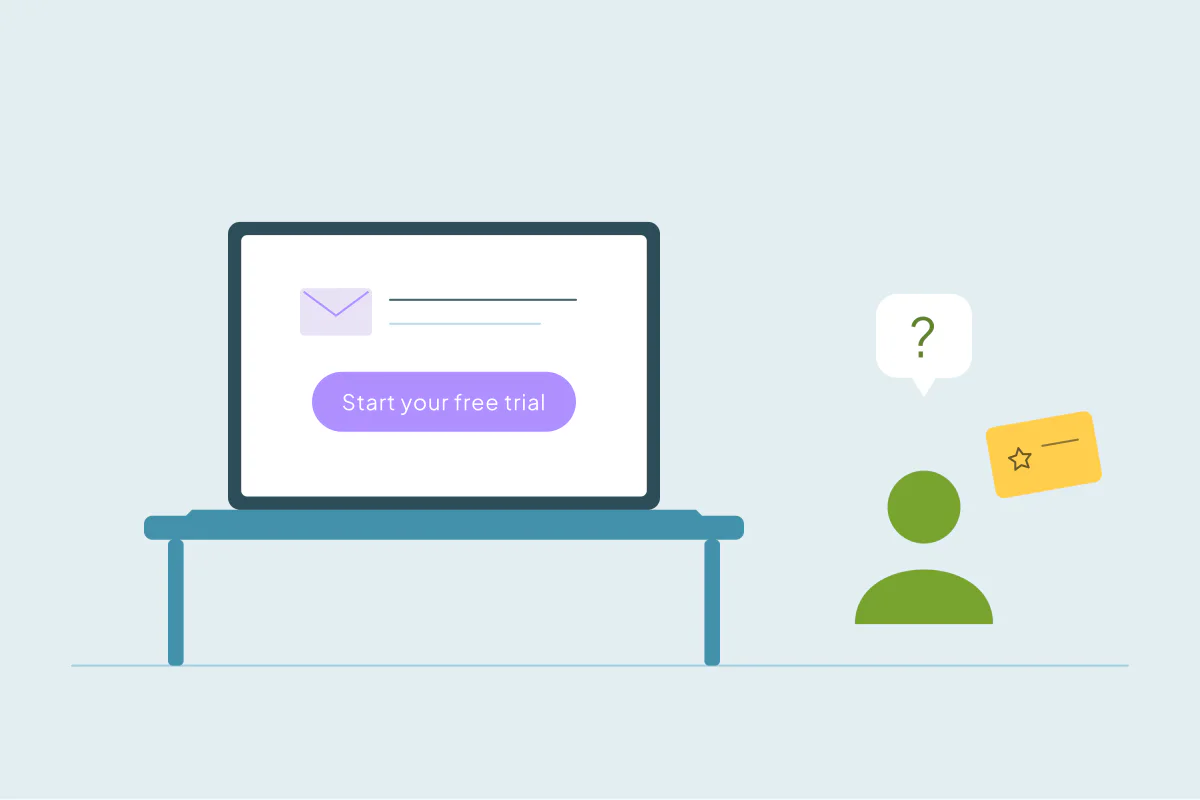
The customer sees a "start your free trial" email for a product they already pay for. Some reply to ask what's going on, and some just unsubscribe.
In this post, you'll see how a customer ends up on a prospect list and what it costs. You'll also see how to find these duplicates, merge them so the customer status wins and keep new ones out of your next send.
What it looks like when customers get prospecting emails
Marketing often hears about it last. A customer forwards a nurture email to their account manager, or replies to an intro offer with "we're already customers".
In the CRM, the person has two records. One shows the customer stage, the account owner and the purchase. The other shows a lead stage, a form fill and a nurture sequence.
How a customer ends up on a prospect list
Customer status lives on one record
Everything that says "this person is a customer" tends to sit on one record. That includes the lifecycle stage, a customer field, the owner and the link to a won deal.
A second record starts empty. Whatever created it gave it a starting stage, like subscriber or lead, and nothing else.
Where the second record comes from
Causes are case-specific, so check which of these apply to your CRM:
- A new email address: a customer downloads a guide with a personal email after buying with a work one.
- Events and webinars: an attendee list is imported, and customers on it become new leads.
- Sales-created records: a rep adds a contact by hand without finding the existing one.
- Trials and sign-ups: a customer signs up again with another address.
Our post on how to match personal and work emails covers the most common of these.
Lists and workflows read fields
Nurture and prospecting emails usually go to records that meet conditions, like "lifecycle stage is lead" or "customer is not true". Those conditions work when each person has one record.
With a duplicate, the second record meets every condition for a new lead. The exclusion was right, but the record it read was the empty one.
Leads and contacts kept apart
Some CRMs keep leads and contacts as separate objects. A customer can then also exist as an unconverted lead, and records usually can't be merged across those objects. Those cases go through your CRM's lead conversion instead.
How this differs from sales calls and deliverability
The same cause shows up in sales, where duplicate companies hide a customer from reps. That side is covered in why sales keeps cold calling existing customers.
This post is about marketing emails reaching customers through a second person record. Sending to duplicates also affects bounces and spam complaints, which our post on how duplicate contacts hurt email deliverability covers.
What it costs
A prospecting email tells a customer you don't know who they are. A discount for new customers can also land in the inbox of someone who paid full price.
Consent gets harder to track too. A customer who unsubscribes on one record can keep getting emails on the other.
Marketing reports count the second record as a new lead. That inflates lead numbers and gives credit to campaigns that reached existing customers.
How to keep customers out of prospecting emails
Decide what counts as the same person
What counts as a duplicate is case by case, and what one team considers a duplicate, another may not. A work and a personal address can be one customer or two people at one household. Agree on the rule before you merge.
Find the second records, starting with customers
Start with records that share an exact email. Then match on name with phone, or name with company, to find the same person behind a second address. Check your customers first, since those are the records that get the wrong emails.
Decide what the surviving record keeps
The fields your lists read matter most in these merges:
- Lifecycle stage: the most advanced stage wins, so a customer never drops back to lead.
- Customer status: if any record is marked as a customer, the surviving record should be too.
- Owner: the customer's account owner, so questions reach the person who knows them.
- Email opt-out: if the customer unsubscribed on any record, keep that choice.
Check enrollments after the merge
After merging, check which nurture or prospecting sequences the surviving record is still in. Remove customers from the ones meant for new leads.
Catch new duplicates before the next send
Forms, events and imports keep creating second records. Run a duplicate search before large nurture or prospecting sends. Once your rules are tested, you can merge new duplicates you're certain of, like exact email matches, automatically on a schedule.
How Dedupely keeps customers off prospect lists
In Dedupely, you build duplicate searches on email, or on name with phone or company, to find a customer's second record. You set rules for which value wins, like keeping the Customer stage whenever one record has it, so the record leaves prospecting lists. The same rules can keep the customer's owner, and you preview each merge before anything changes in your CRM.
One customer, one record, the right emails
Customers get prospecting emails when a second record says they're a new lead. Your exclusions work; they just read the wrong record.
Merging those records with the customer's stage, owner and opt-outs kept removes most of the cause. Checking for new duplicates before large sends catches the rest.
Frequently asked questions
Why are customers receiving our nurture emails?
Usually because the customer also exists as a second record that isn't marked as a customer. Nurture lists exclude customers by a field, like lifecycle stage, and the second record has a lead stage. Merging the records so the customer stage wins keeps them out of nurture.
How do I exclude customers from marketing emails?
Exclude records by a field that marks customers, like lifecycle stage or a customer field. Exclusions only work when each customer has one record, so merge duplicate records first. Then check lists against your customers before large nurture or prospecting sends.
Which lifecycle stage should win when merging duplicates?
Usually the most advanced one: if one record is a customer and the other a lead, keep the customer stage. The merged record then stays out of lead nurture. Decide the same for the owner and any customer field your lists read.
Why does a customer show up as a new lead?
A form, an event list, a trial sign-up or a rep created a second record for them. It often has a different email address, so it didn't match the existing customer. The new record starts with a lead stage and none of the customer's history.
Can a lead be merged with a contact?
It depends on the CRM. Where leads and contacts are separate objects, you usually convert the lead and link it to the existing contact instead of merging. In CRMs where both are contacts with different stages, you can merge them directly.



 Or sign up with Google