



Cómo fusionar duplicados con la integración HubSpot-Salesforce activada
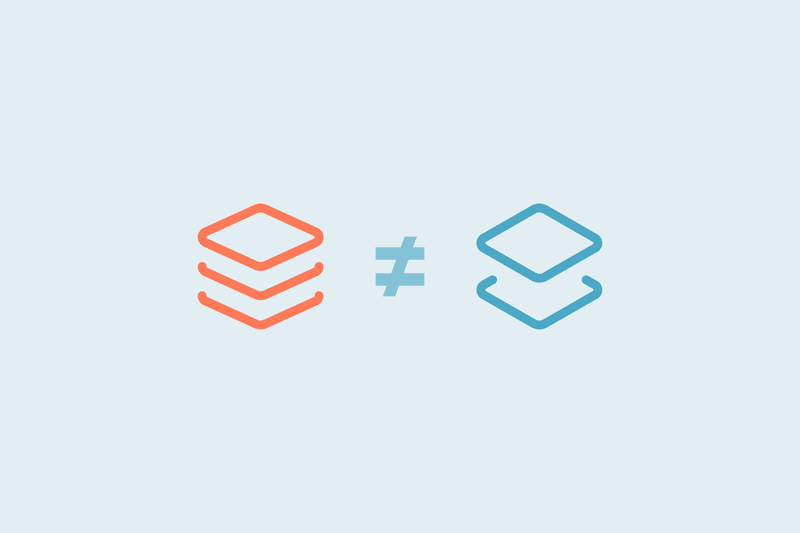
Las actualizaciones de la integración entre HubSpot y Salesforce permiten fusionar con la integración activa. Aun así, la fusión nativa funciona solo dentro de HubSpot, sin actualizar ni fusionar los registros correspondientes en Salesforce.
Al fusionar dos empresas en HubSpot, la empresa secundaria se elimina en HubSpot y sus contactos, negocios y actividades asociados pasan a la empresa principal. En Salesforce, la cuenta secundaria sigue activa y sin cambios. Los contactos que pasaron a la empresa principal en HubSpot siguen vinculados a la cuenta secundaria en Salesforce.
En el siguiente ciclo de sincronización, Salesforce detecta la cuenta secundaria activa. Según tus reglas de sincronización, Salesforce crea una empresa duplicada nueva en HubSpot o desincroniza los contactos porque los ID de cuenta ya no coinciden en ambas plataformas.
Por qué las soluciones actuales no bastan
Para no romper la sincronización, los equipos intentan resolver el problema con rutinas manuales, ajustes en la configuración de la integración, código a medida o montajes de software en varios pasos. Como ninguno de estos enfoques fusiona ambos CRM de forma directa y simultánea, todos acaban siendo apaños:
- Los equipos fusionan primero los registros en Salesforce y limpian a mano los contactos que quedan sueltos en HubSpot, o mueven manualmente negocios y contactos de una empresa duplicada a la cuenta principal antes de eliminar el registro secundario.
- Los equipos modifican las reglas de la integración para impedir la creación automática de empresas al enviar formularios, limitar los permisos del usuario de integración a los registros principales, bloquear la sincronización automática hasta marcar los registros como limpios o configurar HubSpot como "No hacer nada" cuando se fusionan registros en Salesforce.
- Los equipos escriben triggers de Apex personalizados en Salesforce para detectar duplicados entrantes, montan flujos de trabajo con aplicaciones de terceros que verifican los registros antes de crearlos o crean campos de fórmula personalizados (por ejemplo, Nombre + Teléfono) para identificar coincidencias entre plataformas.
- Los administradores pausan la sincronización continua, exportan ambas bases de datos a hojas de cálculo, alinean a mano los ID de registro, limpian los duplicados sin conexión y vuelven a importar los archivos. Es un enfoque estático: cuando la sincronización se reanuda, los registros nuevos sobrescriben los cambios o vuelven a crear duplicados.
- Los equipos recurren a software externo que exige configurar reglas en varias pasadas, crear campos de casilla "Master Record" o cambiar las reglas de eliminación para gestionar la sincronización de forma indirecta.
Con todos estos métodos, los contactos, negocios e historiales de actividad asociados suelen perder la correspondencia entre plataformas o exigen una supervisión manual constante para evitar errores de integración.
Fusionar duplicados con Dedupely
Dedupely detecta la integración HubSpot-Salesforce por sí solo, sin campos personalizados ni cambios en la configuración de tu integración.
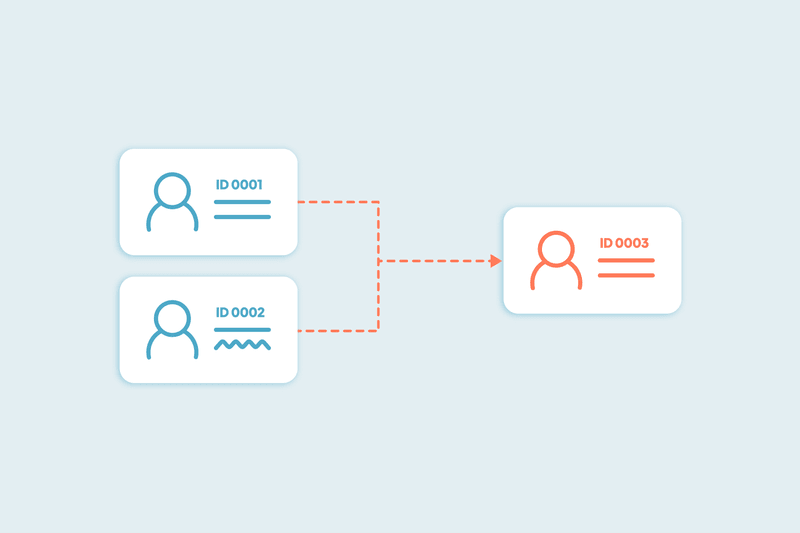
Al fusionar empresas duplicadas, Dedupely fusiona los registros de HubSpot y Salesforce en una sola acción y los mantiene alineados, de modo que Salesforce no vuelve a crear el duplicado en la siguiente sincronización y todos los contactos y negocios asociados siguen vinculados al registro principal en ambos sistemas.
Guía rápida paso a paso
- Conecta tus instancias de HubSpot y Salesforce a Dedupely.
- Ve a los ajustes del CRM en Dedupely y haz clic en la pestaña "Integración HubSpot-Salesforce".
- Selecciona la instancia complementaria del CRM en el menú desplegable para vincular ambos sistemas de forma global en todos los objetos.
- Configura tus Search Pads con criterios concretos, eligiendo campos y opciones de coincidencia por campo.
- Define tus propias reglas de fusión para elegir el registro que gana o el valor de cada campo.
- Elige cómo gestionar la deduplicación continua:
- Fusiona manualmente duplicados concretos o casos límite.
- Fusiona en masa los datos antiguos.
- Auto Match busca duplicados en segundo plano y te avisa cuando las coincidencias llegan al número que tú definas. No se fusiona nada hasta que lo revisas y haces clic en "Fusionar".
- Auto Merge para escanear y fusionar duplicados automáticamente en ambos CRM con la periodicidad que elijas.
Preguntas frecuentes sobre duplicados con la integración HubSpot-Salesforce
¿Qué necesito para empezar a fusionar con la sincronización HS+SF activada?
Necesitas una cuenta de Dedupely con tus instancias de HubSpot y Salesforce conectadas y sincronizadas. Si Dedupely detecta una sincronización activa en un registro pero solo hay un CRM conectado, bloquea la fusión y te pide conectar la instancia que falta.
¿Y si gestiono varias instancias de HubSpot o Salesforce?
En Dedupely, ve a los ajustes del CRM y elige en el menú desplegable la instancia que quieres emparejar, para vincular las cuentas exactas de HubSpot y Salesforce que quieres deduplicar juntas, con la sincronización de SFDC activada.
¿Necesito crear un campo personalizado de "registro maestro" o cambiar la configuración de eliminación del CRM antes de fusionar?
No. Dedupely detecta automáticamente la sincronización activa y fusiona los registros en ambos CRM a la vez, sin necesidad de fusiones por fases ni pasos condicionales.
¿Puedo ver el resultado antes de fusionar?
Sí. Haz clic en "Ver detalles de la coincidencia" (los tres puntos verticales a la izquierda de un conjunto de duplicados) y revisa el panel izquierdo de la ventana emergente para ver el resultado de la fusión en cada campo.
¿Al fusionar registros se borra el historial de actividad?
No. Las asociaciones y el historial de actividad pasan al registro principal en ambos CRM.
¿Puedo deshacer una fusión?
No, pero puedes descargar tu historial de fusiones en un archivo CSV e importarlo de nuevo en tu CRM para restaurar los registros originales.
Fusionar duplicados sin romper tu integración HubSpot-Salesforce
Fusionar instancias sincronizadas de HubSpot y Salesforce no debería exigir campos personalizados, cambios complejos de configuración ni limpiezas manuales en hojas de cálculo. Identificar las conexiones de sincronización y fusionar los registros en ambos CRM a la vez elimina los duplicados sin romper los vínculos entre cuentas ni desincronizar contactos.


 O regístrate con Google
 Pipedrive Marketplace
  Dedupely Intelligence