 Dedupely Intelligence




TL;DR
- A kickoff call sets up everything that makes a cleanup go well: goals, sources, definitions and who decides.
- Sixty minutes is enough if you follow an agenda and send it ahead.
- The most important part is agreeing what counts as a duplicate and which record survives.
- End with a written summary, owners and dates.
- In Dedupely, syncing never changes the CRM, so you can show real examples from the client's data on the call.
Most cleanup problems start at kickoff: a goal nobody wrote down, an integration nobody mentioned, a sales lead who wasn't asked. A good kickoff call catches them before you merge anything.
Here's a 60-minute agenda you can send to the client ahead of the call, with the questions to ask in each part.
Who should attend
- The client's sponsor: the person who hired you and decides.
- The CRM admin or owner.
- A lead from each team that uses the records: sales, marketing, support.
- You, and anyone from your team who will do the work.
The agenda
| Time | Topic | Goal |
|---|---|---|
| 0 to 5 | Introductions | Know who decides what |
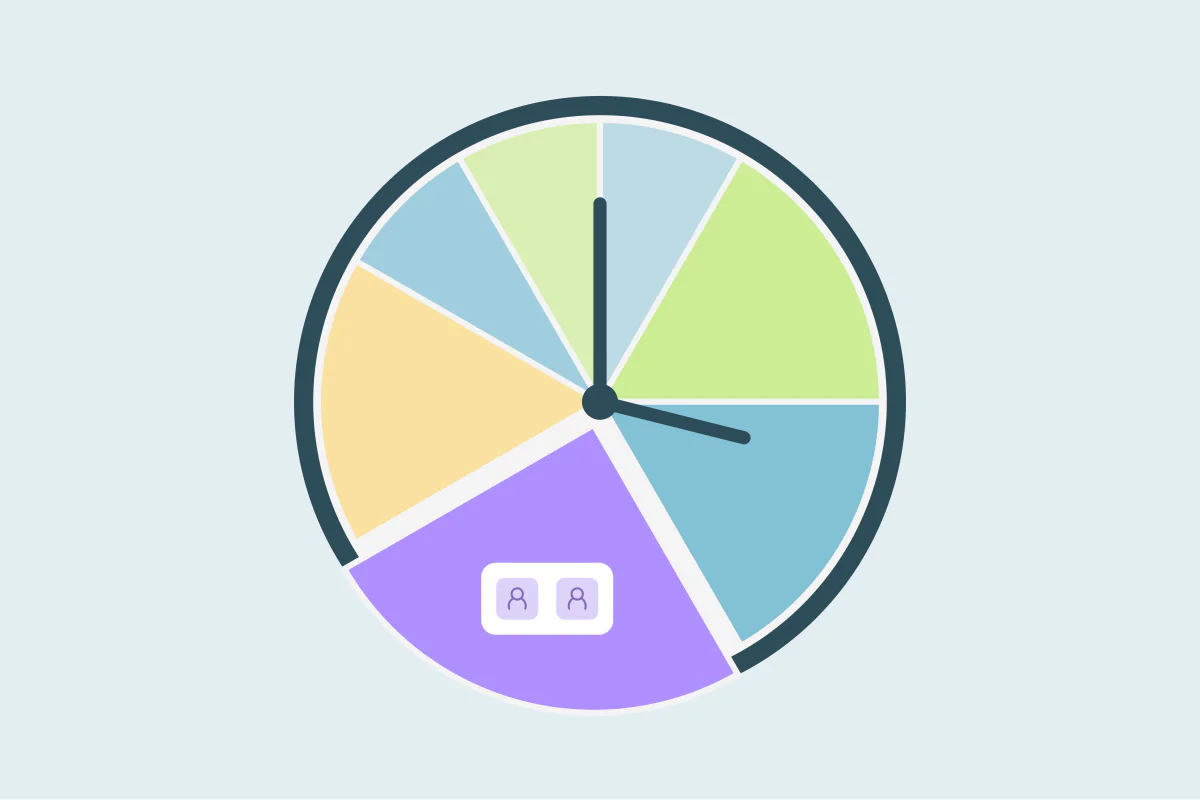
| 5 to 15 | Goals | Agree on why the cleanup matters and how you'll measure it |
| 15 to 25 | The CRM today | Objects, record sources, integrations, past cleanups |
| 25 to 40 | Definitions | What counts as a duplicate, which record survives, which values win |
| 40 to 50 | Risks | What must not break, what's off limits |
| 50 to 55 | Plan | Batches, schedule, who reviews |
| 55 to 60 | Next steps | Owners and dates |
1. Goals (10 minutes)
- What made you start this project now?
- What does "clean" look like for you?
- Which report or process should work better afterwards?
2. The CRM today (10 minutes)
- Which objects do you use, and which ones matter most?
- Where do new records come from: forms, imports, integrations, reps?
- Which tools sync with the CRM, and who manages them?
- Has anyone cleaned it before? What happened?
3. Definitions (15 minutes)
This is the longest part, and the most important.
- When are two contacts the same person? Same email? Same name and phone?
- How do you treat shared inboxes, branches and subsidiaries?
- When two records disagree, which one survives?
- Which fields matter most, and which value should win in each?
4. Risks (10 minutes)
- Which records must never merge automatically? Key accounts, open deals, customers?
- Which fields or IDs do other systems depend on?
- Who needs to know before records change?
- What happens if a merge is wrong?
5. Plan and next steps (10 minutes)
- The first search to merge, and when.
- Who reviews samples on the client side.
- How you'll report progress, and how often.
- Who gets told when records change.
How Dedupely helps at kickoff
In Dedupely, connecting a client's CRM and syncing it never changes anything; only merges do. So you can run a few searches before the kickoff and bring real examples from the client's data to the definitions part of the call. Duplicate Searches can be set per object with match options like Exact, Similar or Fuzzy, Merge Rules decide which record survives and which values win, and Safety Settings hold back large or risky sets from bulk merges and Auto Merge. Each client can have its own setup, and partners can book a call with the Dedupely team to set up the first client.
An hour that saves weeks
A kickoff call with a clear agenda gets goals, sources, definitions, risks and the plan agreed before any merge. Spend the most time on what counts as a duplicate, use real examples and send a written summary the next day.
Frequently asked questions
What should I cover in a CRM cleanup kickoff call?
Goals, how the CRM is used today, what counts as a duplicate, risks and the merge plan, with owners and dates.
How long should a kickoff call be?
About 60 minutes, with the agenda sent ahead.
Who should be on the call?
The sponsor, the CRM admin, a lead from each team that uses the records and the people doing the work.
What's the most important part of the kickoff?
Agreeing what counts as a duplicate and which record survives. Most disagreements later come from this.
What should I send after the call?
A written summary of goals, definitions, risks and dates, approved by the sponsor.


 Or sign up with Google

 HubSpot Marketplace